Managing Diverse Generations in the Workplace: Turning Differences into Strengths
By Sasini Senarath, Director – HR, Bodyline · 02 Oct 2025
Business
There is a well-known African proverb that says, “If you want to go fast, go alone. If you want to go far, go together.” At Bodyline, this resonates deeply because we are not just a workplace; we are a 33-year-old family that has grown across three generations. Today, we proudly embrace employees who have been with us for over three decades, as well as young professionals who are stepping into their very first job.
This unique blend is both a strength and a challenge. Each generation brings its own perspectives, work styles, and expectations. The key for us as leaders is not to manage these differences in isolation but to integrate them into a powerful, collective advantage.
The Generational Spectrum
Globally, the modern workplace hosts up to five generations, but in Bodyline we primarily see three:
- Baby Boomers (born 1946–1964): Many of whom have dedicated decades of service, offering loyalty, deep industry knowledge, and resilience.
- Generation X (born 1965–1980): The bridge builders who value independence, adaptability, and pragmatic problem-solving.
- Millennials & Gen Z (born after 1981): The digital natives who bring innovation, tech-savviness, and a strong sense of purpose.
According to a Deloitte survey (2023), nearly 70% of organizations report generational diversity as an opportunity rather than a risk, provided it is managed strategically. At Bodyline, this is exactly the mindset we adopt.
Challenges We Face
Naturally, different generations view work through different lenses. For some, stability and structure are priorities, while others seek flexibility and rapid growth. Technology adoption is seamless for younger employees, whereas for long-tenured employees it can mean unlearning and relearning. Even attitudes toward work-life balance can differ: one generation may value “face time” in the office, while another prioritizes output regardless of hours worked.
If unmanaged, these differences can create friction. But when nurtured correctly, they form a mosaic of perspectives that fuels collaboration and innovation.
Turning Differences into Strengths
At Bodyline, we focus on three strategies to harness generational diversity:
1. Creating Shared Learning Spaces: Reverse mentoring has been powerful—young employees share digital skills, while experienced employees pass on wisdom gained over decades.
2. Flexibility in Work Models: Understanding that one size doesn’t fit all, we are evolving policies around flexibility, recognition, and development to meet varied needs.
3. Celebrating Collective Identity: While honoring differences, we constantly remind ourselves that what unites us is stronger—our shared purpose of shaping Bodyline’s legacy.
The Bigger Picture
Think of a forest ecosystem: the towering old trees provide shade and roots of stability, while the young saplings bring freshness and growth. Together, they create balance and resilience. In much the same way, Bodyline thrives when our three generations grow together, learning from each other while pursuing a shared vision.
Just as a symphony requires different instruments to create beautiful music, today's workplace thrives when multiple generations harmonize their unique strengths. At Bodyline, celebrating 33 years of excellence, we've witnessed this orchestration firsthand—from employees who've dedicated 30+ years of their careers with us to fresh graduates taking their very first professional steps.
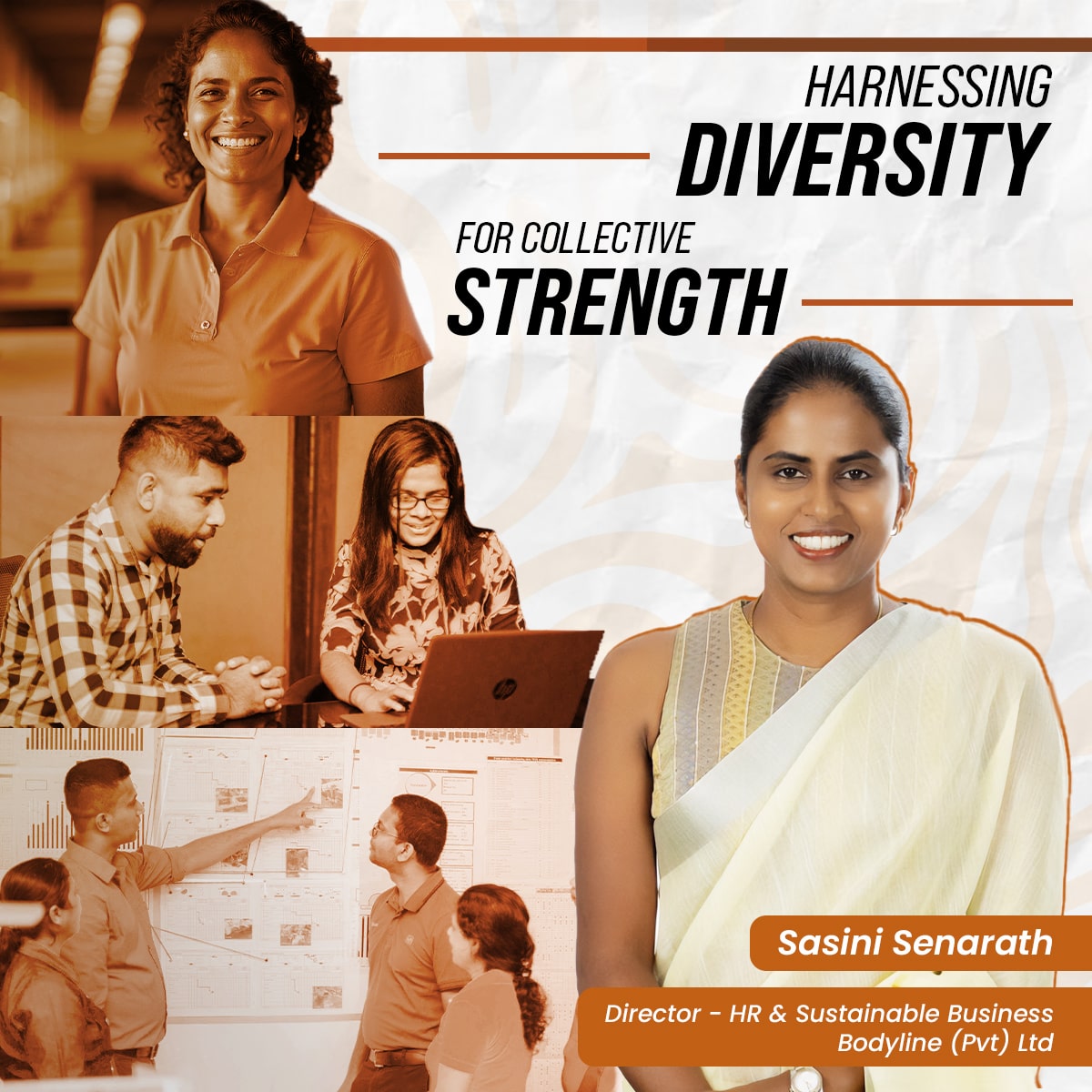
As HR leaders, our role is to not only manage generational differences but to transform them into a source of strength. Because when diverse generations collaborate, we don’t just go far—we go further, together.