Solving Old Problems in New Ways
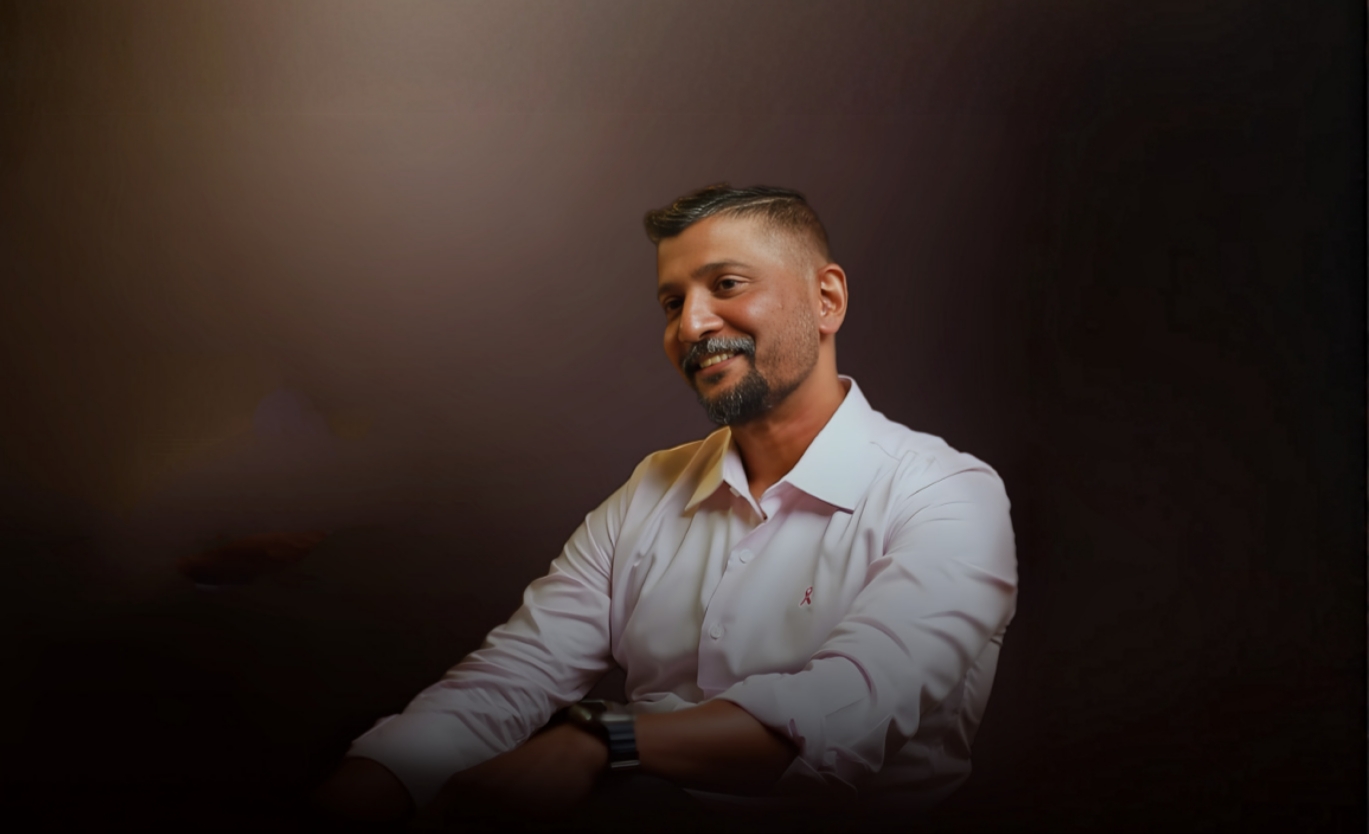
Ahmed Irfan, Head of Future Works at Twinery - Innovations by MAS. · 17 Jul 2026
At its core, my work is about finding new ways to solve old problems. That might sound simple, but the reality is far more layered. Innovation doesn’t start with technology. It starts with people. With how they feel, behave, and interact with the world around them.
One of the most common misconceptions about my role is that it’s technology-led. Technology is part of the toolkit, but it’s never the starting point. My work sits at the intersection of business, technology, and human behaviour. Human emotion is where everything begins. If you don’t understand that, even the most advanced solution will struggle to land.
My career path reflects that mindset. I’ve worked across media, advertising, design, business, and technology, including time at MAS before stepping away to become an entrepreneur. That journey taught me that innovation doesn’t live neatly inside job titles or disciplines. It lives in the ability to connect seemingly unrelated ideas and ask better questions about the problems we’re trying to solve.
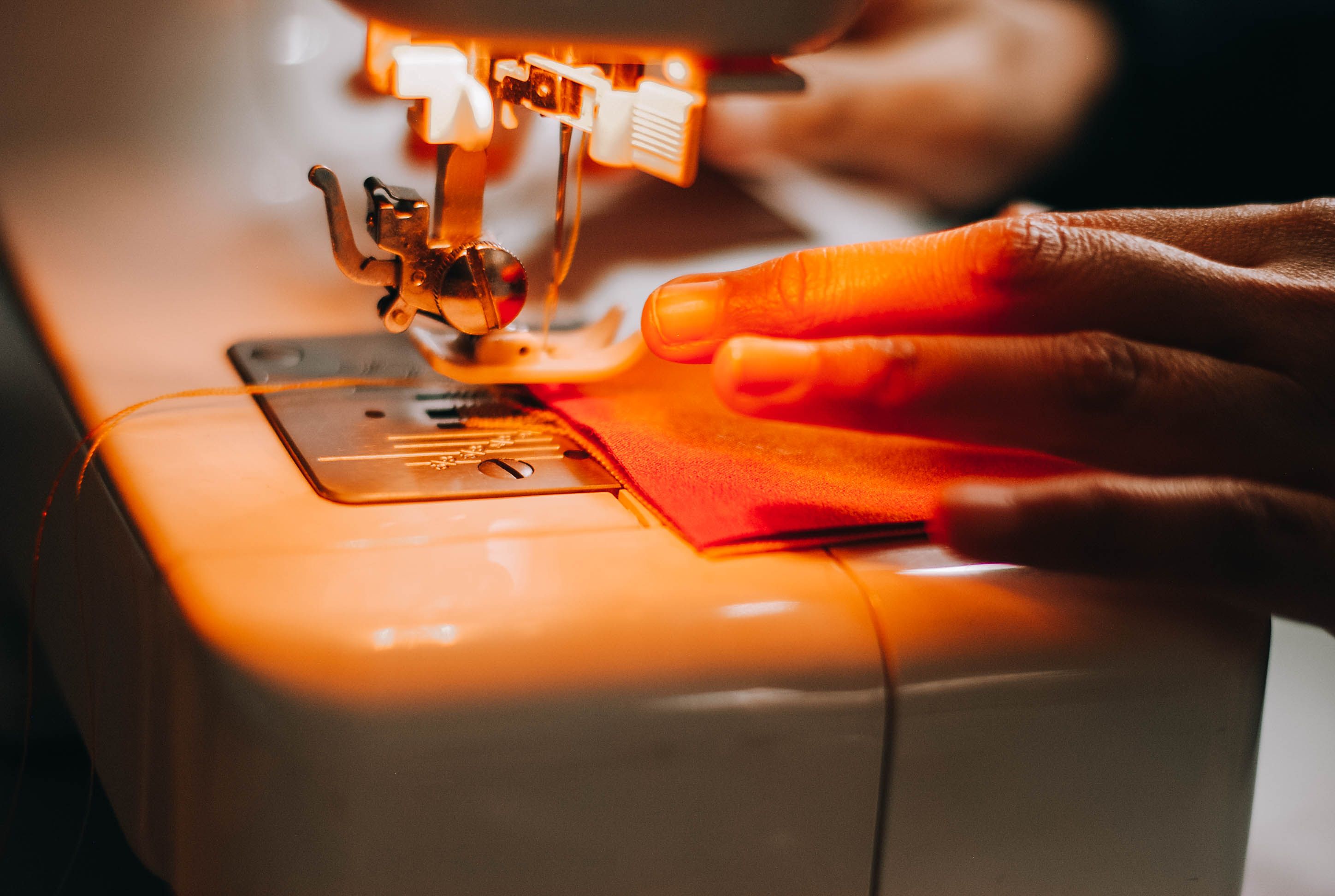
Image Courtesy of Rakhmat Suwandi from www.pexels.com
At Twinery, I see my role in two ways. Internally, I act as a facilitator, helping teams that are far smarter than I am do their best work by removing friction, asking the uncomfortable “why” questions, and creating space for clarity. With customers, I see myself as an enabler and counterbalance: helping them think through not just what they want to build, but why, for whom, and what problem it really solves.
This way of thinking becomes especially important when innovation moves beyond products into systems. In areas like medical devices, for example, success isn’t just about the device itself. It’s about the experience around it, how it integrates into a patient’s life, how clinicians interact with it, how data flows, and how trust is built. That same thinking increasingly applies to apparel and soft goods, where materials, software, data, and user experience are converging.
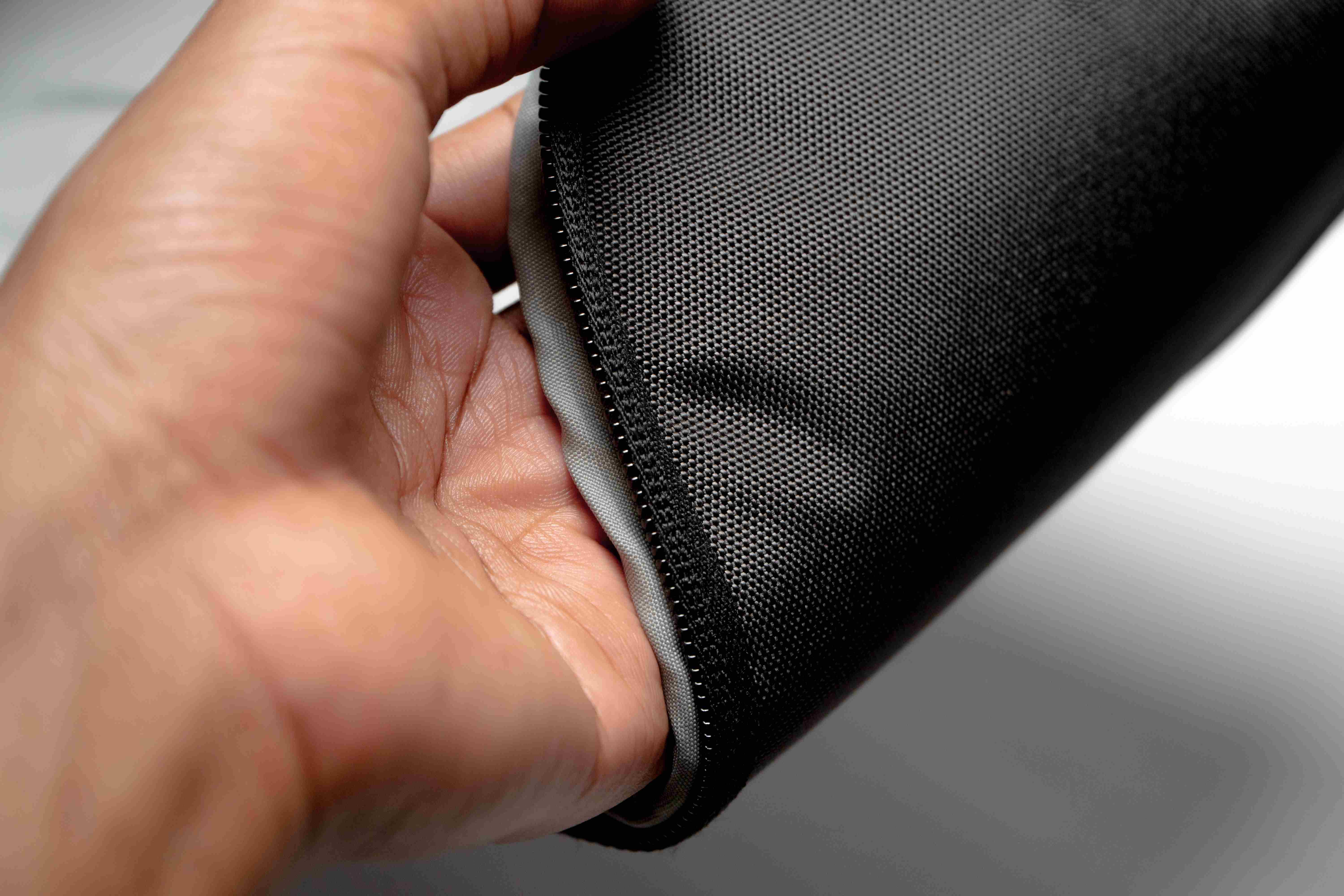
Image Courtesy of Uwukuri Emery from www.pexels.com
The apparel industry is going through a fundamental shift. It was built around efficiency, speed, cost, and scale. But consumer behaviour has changed. Loyalty is no longer guaranteed, and expectations around price, functionality, availability, and sustainability are evolving rapidly. Large manufacturing engines now need to be agile, and that requires rethinking how innovation is structured and supported.
One trend I find particularly exciting is the evolution of adaptive soft-good interfaces. Apparel is one of the most fundamental human needs, which makes it a powerful platform for integrating technology, chemistry, electronics, and data in ways that feel natural rather than intrusive. Done right, this allows better, more relevant products to be created faster, without losing sight of the human experience.

Image Courtesy of www.magnific.com
Leadership, in this context, is about balance. There’s always pressure to focus on the immediate: today’s customers, today’s targets, today’s constraints. But leaders also need a “searchlight” view, identifying the shifts that will fundamentally affect the business in the future and structuring conversations around them. Innovation can’t be driven by performance KPIs alone. If you measure it like short-term execution, you risk killing it entirely.
When it comes to partnerships, I believe innovation must be sponsored from the top, guided by a clear even-if-imperfect plan, and supported by the right people with the right mindset. At Twinery, collaboration is structured but flexible. We co-create with partners, define problems together, validate opportunities early, and make clear go / no-go decisions. That clarity allows incubation and scaling to happen at speed, without unnecessary waste.
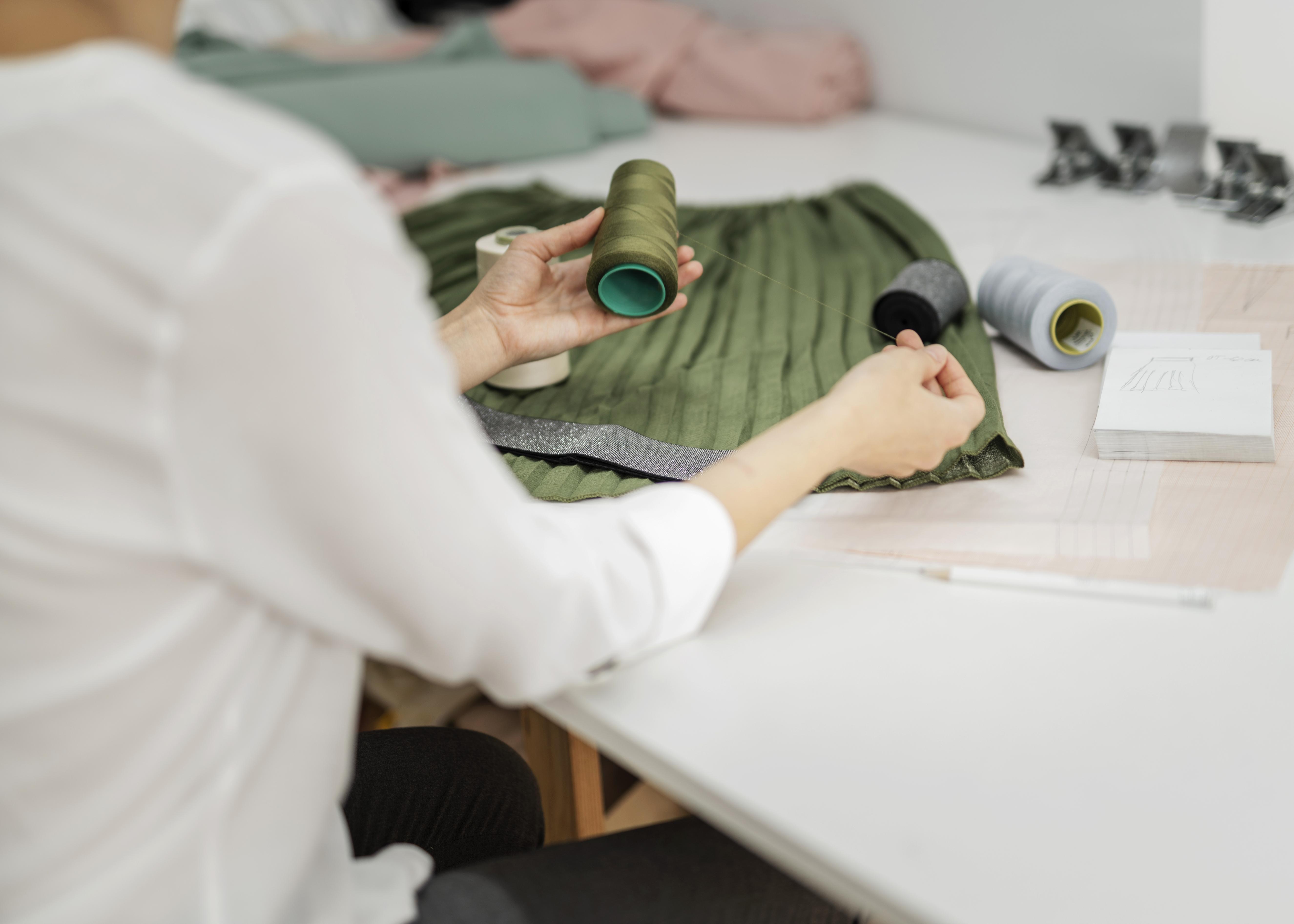
Image Courtesy of www.magnific.com
Looking ahead, the biggest question I’m asking is whether today’s value chains are truly designed to deliver what consumers now expect. Sustainability isn’t optional. It’s a responsibility. Circularity, material choices, manufacturing processes, and consumption patterns all need to be rethought together.
For me, innovation is not about being right all the time. It’s about being willing to be wrong, to learn fast, and to stay authentic. When you build from that place, solutions don’t just work. They matter.